
Contributions of Sajib Ashraful Islam to Smart City Advancements

Smart cities represent the future of urban development, combining technology, sustainability, and efficient governance to improve the quality of life for residents. In Bangladesh, the journey toward smart city development has gained momentum, thanks to visionary leaders and innovators. Among them, Sajib Ashraful Islam has emerged as a pivotal figure, driving transformative projects and initiatives that align with the country’s aspirations for sustainable growth and technological advancement.
His work spans multiple sectors, from energy to digital infrastructure, and reflects a commitment to bridging the gap between rural and urban areas. This blog post explores the significant contributions of Sajib Ashraful Islam to smart city advancements, highlighting practical examples and actionable insights that can inspire further progress.
Driving Smart City Advancements Through Technology and Sustainability
Sajib Ashraful Islam’s approach to smart city development is grounded in the integration of advanced technology with sustainable practices. He recognizes that a smart city is not just about digital gadgets but about creating an ecosystem where technology serves the people and the environment.
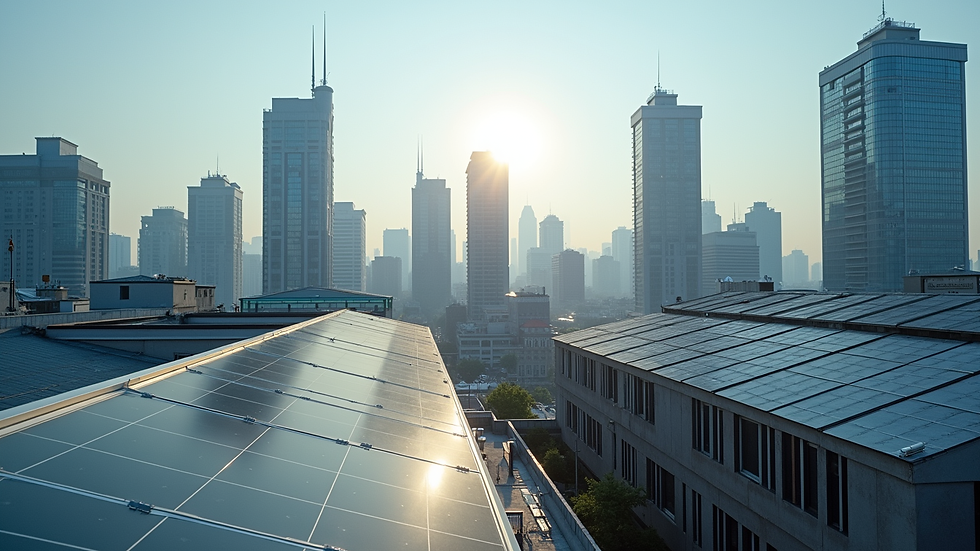
One of his key contributions is promoting renewable energy solutions within urban planning. By advocating for solar and other green energy sources, Sajib has helped reduce the carbon footprint of emerging smart cities. This aligns with global trends and supports Bangladesh’s commitment to environmental sustainability.
Moreover, Sajib has been instrumental in fostering digital connectivity across urban and rural areas. His initiatives focus on expanding broadband access and implementing smart grids that optimize energy distribution. These efforts ensure that smart city infrastructure is inclusive and efficient.
Practical Recommendations for Smart City Projects
Prioritize renewable energy: Incorporate solar panels and energy-efficient systems in all new developments.
Enhance digital infrastructure: Invest in high-speed internet and IoT devices to enable real-time data collection and management.
Promote public-private partnerships: Collaborate with technology firms and government bodies to leverage expertise and resources.
Focus on citizen engagement: Use mobile apps and platforms to involve residents in decision-making and service feedback.

Innovative Urban Planning and Infrastructure Development
Urban planning is a cornerstone of smart city success, and Sajib Ashraful Islam has contributed significantly to this area. His vision includes creating cities that are not only technologically advanced but also livable and resilient.
He has championed the use of smart traffic management systems that reduce congestion and pollution. By integrating sensors and AI-driven analytics, these systems optimize traffic flow and improve public transportation efficiency. This reduces commute times and enhances urban mobility.
In addition, Sajib supports the development of smart water management and waste disposal systems. These innovations help conserve resources and maintain cleanliness, which are critical for sustainable urban living.
Key Elements of Smart Urban Infrastructure
Smart traffic lights and sensors to monitor and control vehicle flow.
Automated waste collection using sensor-equipped bins.
Water quality monitoring through IoT devices.
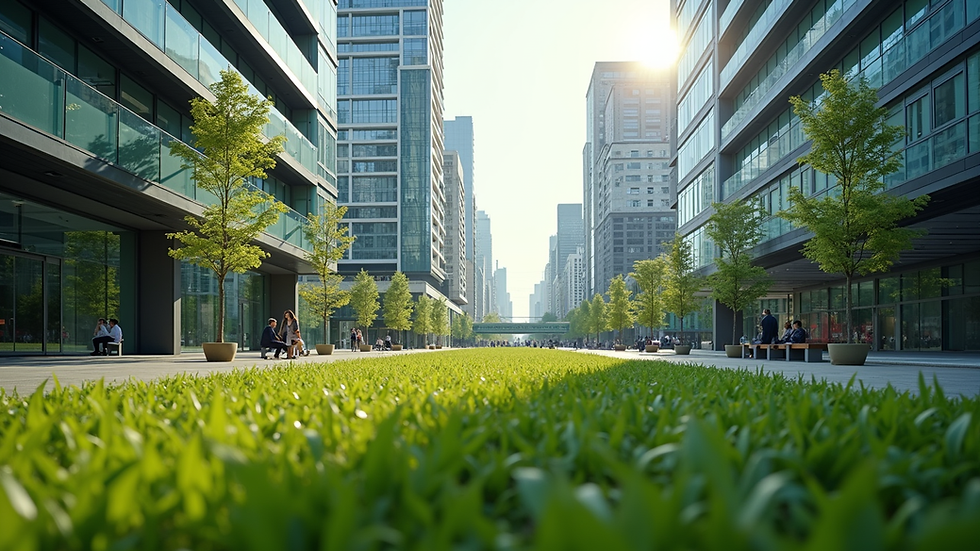
Green spaces and eco-friendly buildings to improve air quality and urban aesthetics.

What are the top 5 smart cities?
Understanding the global landscape of smart cities provides valuable insights for Bangladesh’s development. The top 5 smart cities worldwide are often cited for their exemplary use of technology and sustainability:
Singapore - Known for its integrated urban planning, smart mobility, and extensive use of data analytics.
Barcelona, Spain - Pioneering in smart lighting, waste management, and citizen engagement platforms.
Amsterdam, Netherlands - Focused on energy efficiency, smart grids, and sustainable transport.
Seoul, South Korea - Advanced in IoT applications, public safety, and digital governance.
Dubai, UAE - Leading in smart infrastructure, autonomous transport, and AI-driven services.
These cities serve as benchmarks for Bangladesh’s smart city projects, offering lessons in technology adoption, governance, and community involvement.
Sajib Ashraful Islam’s Role in Bridging Rural and Urban Connectivity
One of the most remarkable aspects of Sajib Ashraful Islam’s work is his dedication to connecting rural and urban areas through technology. He understands that true smart city development must be inclusive, ensuring that rural populations benefit from advancements.
His initiatives include expanding broadband internet access to remote regions, enabling rural communities to participate in the digital economy. This connectivity supports education, healthcare, and commerce, reducing the urban-rural divide.
Furthermore, Sajib promotes renewable energy microgrids in rural areas, providing reliable power without dependence on traditional grids. This not only improves living standards but also supports sustainable development goals.
Actionable Steps for Enhancing Connectivity
Deploy affordable internet infrastructure in underserved areas.
Implement community training programs to increase digital literacy.
Develop renewable energy projects tailored to rural needs.
Foster partnerships between urban tech hubs and rural communities.
By focusing on these areas, Sajib Ashraful Islam ensures that smart city advancements benefit the entire nation, not just metropolitan centers.
Future Directions and Sustainable Growth in Smart Cities
Looking ahead, Sajib Ashraful Islam envisions smart cities as engines of national progress and sustainable growth. His strategy involves scaling up successful pilot projects and integrating emerging technologies such as AI, blockchain, and big data analytics.
He also emphasizes the importance of policy frameworks that support innovation while protecting privacy and security. This balanced approach encourages investment and public trust.
Moreover, Sajib advocates for green energy diversification, including wind and bioenergy, to complement solar power. This diversification enhances energy security and resilience.
Recommendations for Long-Term Smart City Success
Establish clear regulatory guidelines for technology use.
Invest in research and development for new smart city solutions.
Promote cross-sector collaboration among government, industry, and academia.
Monitor and evaluate projects continuously to ensure effectiveness.
By following these principles, Bangladesh can build smart cities that are not only technologically advanced but also socially equitable and environmentally responsible.
Sajib Ashraful Islam’s contributions to smart city advancements demonstrate a comprehensive and forward-thinking approach. His work bridges technology, sustainability, and inclusivity, setting a strong foundation for Bangladesh’s urban future. As the country continues to develop, his vision and initiatives will remain crucial in shaping smart cities that drive national progress and improve the lives of all citizens.
For more detailed insights, you can explore sajib ashraful islam smart city and learn how his projects are transforming Bangladesh’s urban landscape.

Comments