
Sustainable Energy Solutions for Bangladesh: Driving Clean Energy Initiatives

Bangladesh stands at a pivotal moment in its development journey. As the nation accelerates its economic growth and urban expansion, the demand for energy surges. Meeting this demand sustainably is not just an environmental imperative but a strategic necessity. I am committed to exploring and promoting sustainable energy solutions that align with Bangladesh’s unique needs and ambitions. By embracing clean energy initiatives, we can ensure reliable power, reduce environmental impact, and foster inclusive growth across both rural and urban areas.
The Urgency of Sustainable Energy in Bangladesh
Bangladesh’s energy landscape is rapidly evolving. Traditional reliance on fossil fuels has led to challenges such as air pollution, energy insecurity, and fluctuating fuel prices. The country’s dense population and expanding industries require a stable and affordable energy supply. However, the environmental costs of conventional energy sources are becoming increasingly apparent.
Sustainable energy solutions offer a pathway to address these challenges. They provide cleaner alternatives that reduce greenhouse gas emissions and improve public health. Moreover, sustainable energy can enhance energy access in remote regions, supporting equitable development. The urgency to transition to sustainable energy is clear, and the opportunity to lead this change is within reach.
Advancing Clean Energy Initiatives in Bangladesh
Clean energy initiatives are central to Bangladesh’s sustainable future. These initiatives encompass a range of technologies and strategies designed to harness renewable resources efficiently and responsibly. Solar power, wind energy, biomass, and small-scale hydropower are among the most promising options.
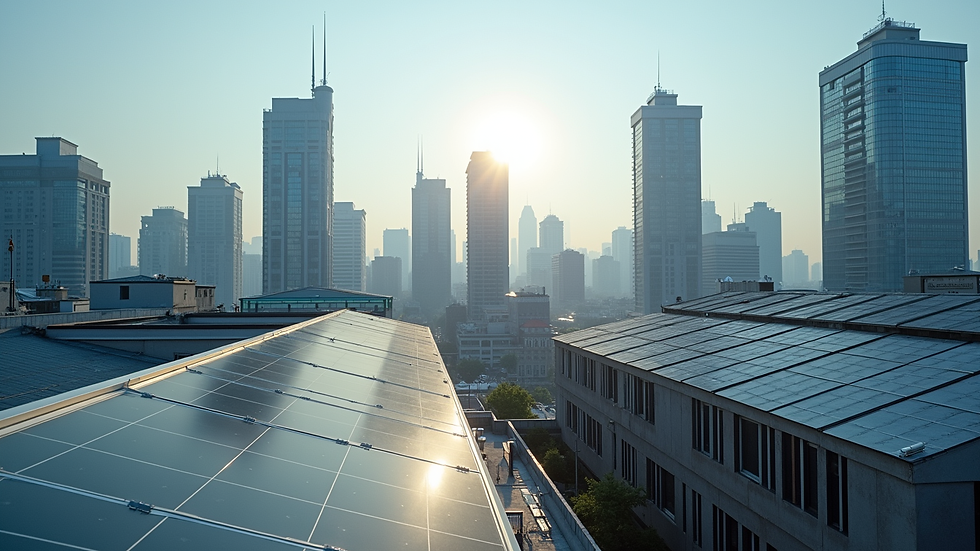
Solar energy, in particular, has gained significant traction. Bangladesh’s geographic location offers abundant sunlight, making solar power a viable and scalable solution. The government and private sector have launched numerous solar home systems and mini-grid projects, bringing electricity to off-grid communities. These projects not only improve living standards but also stimulate local economies.
Wind energy is another area with untapped potential. Coastal regions and open plains provide suitable conditions for wind farms. Developing wind power infrastructure can diversify the energy mix and reduce dependence on imported fuels.
Biomass energy, derived from agricultural residues and organic waste, presents a sustainable option for rural areas. It supports waste management while generating electricity and heat. Small hydropower projects, though limited by geography, can serve localized needs effectively.

Integrating Technology and Infrastructure for Sustainable Growth
To maximize the impact of clean energy initiatives, integrating advanced technology and robust infrastructure is essential. Smart grids, energy storage systems, and efficient transmission networks enhance the reliability and flexibility of renewable energy sources.
Smart grids enable real-time monitoring and management of energy flows, optimizing supply and demand. This technology reduces energy losses and supports the integration of intermittent renewable sources like solar and wind. Energy storage solutions, such as batteries, address the challenge of variability by storing excess energy for use during low production periods.
Infrastructure development must also prioritize accessibility and affordability. Expanding the grid to underserved areas and supporting decentralized energy systems empower communities. Public-private partnerships can accelerate investment and innovation, ensuring that clean energy solutions reach all segments of society.
Policy Frameworks and Financial Models Supporting Renewable Energy
Effective policy frameworks and innovative financial models are critical to scaling sustainable energy solutions. Bangladesh has made commendable progress by setting renewable energy targets and offering incentives for clean energy projects. Continued policy support will encourage investment and technology adoption.
Financial models such as microfinancing, leasing, and pay-as-you-go systems make renewable energy more accessible, especially for low-income households. These models reduce upfront costs and spread payments over time, aligning with users’ financial capacities.
International cooperation and funding also play a vital role. Collaborations with global organizations and development banks provide technical expertise and capital. These partnerships help Bangladesh leverage global best practices and accelerate its clean energy transition.

Harnessing the Power of Community and Innovation
Community engagement and innovation are powerful drivers of sustainable energy adoption. Local participation ensures that projects meet the specific needs and preferences of communities, enhancing acceptance and long-term success.
Educational programs and awareness campaigns can build knowledge about the benefits and operation of renewable energy systems. Training local technicians and entrepreneurs creates jobs and supports maintenance, fostering a sustainable energy ecosystem.
Innovation in technology and business models continues to open new possibilities. From solar-powered irrigation pumps to energy-efficient appliances, these advancements improve productivity and reduce energy consumption. Encouraging startups and research institutions to focus on clean energy solutions will sustain momentum and generate homegrown expertise.
A Vision for a Greener Energy Future in Bangladesh
The path to a sustainable energy future in Bangladesh is clear and achievable. By prioritizing clean energy initiatives, integrating advanced technologies, and fostering inclusive policies, we can transform the energy sector. This transformation will support economic growth, environmental stewardship, and social equity.
As we move forward, it is essential to maintain a balanced approach that considers the country’s development goals and resource constraints. Collaboration among government, private sector, communities, and international partners will be key to success.
I am confident that with dedicated effort and strategic planning, Bangladesh can become a leader in sustainable energy in the region. Embracing renewable energy bangladesh is not just an option but a necessity for a resilient and prosperous future.
By focusing on these sustainable energy solutions, we can ensure that Bangladesh’s energy system is robust, clean, and inclusive. This approach aligns perfectly with the vision of making advanced technology accessible, connecting rural and urban areas, and fostering a greener energy future through diverse ventures. Together, we can power Bangladesh’s progress sustainably and responsibly.


Comments