
Urban Transformation Dhaka: Top Smart City Innovations in Dhaka

Dhaka, the bustling capital of Bangladesh, is undergoing a remarkable transformation. As the city grows rapidly, it faces challenges such as traffic congestion, pollution, and infrastructure strain. However, innovative solutions are emerging to address these issues and pave the way for a smarter, more sustainable urban future. In this post, I will explore the top smart city innovations in Dhaka that are shaping its urban transformation and driving progress.
Urban Transformation Dhaka: Embracing Technology and Sustainability
Dhaka’s urban transformation is fueled by a combination of technology adoption and sustainable development initiatives. The city is leveraging digital tools, data analytics, and green infrastructure to improve the quality of life for its residents. For example, smart traffic management systems are being implemented to reduce congestion and enhance road safety. These systems use real-time data from sensors and cameras to optimize traffic signals and provide timely updates to commuters.
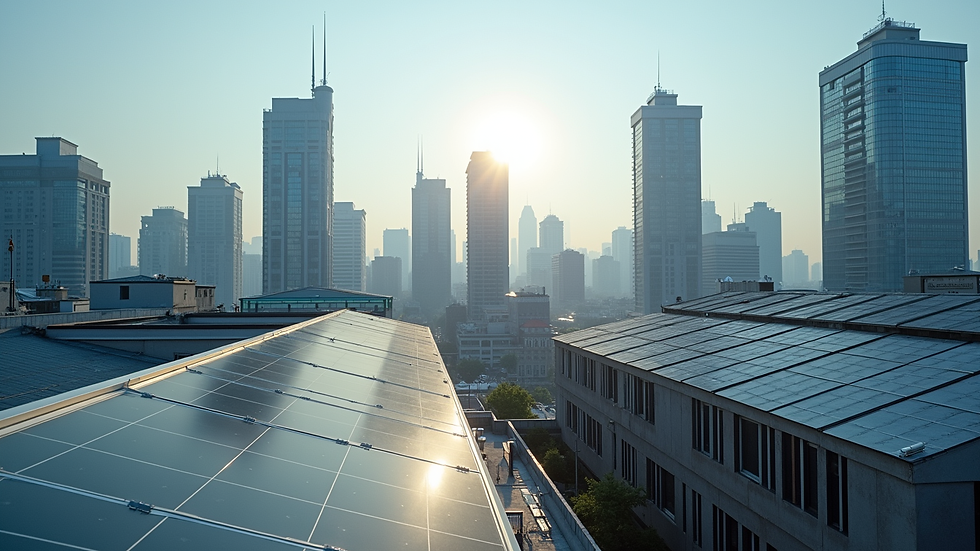
Another key aspect of Dhaka’s transformation is the integration of renewable energy sources. Solar-powered streetlights and energy-efficient public buildings are becoming more common, reducing the city’s carbon footprint. Additionally, waste management is being revolutionized through smart bins equipped with sensors that monitor fill levels and optimize collection routes. These innovations not only improve efficiency but also contribute to a cleaner, healthier environment.

Smart Public Transportation: Enhancing Mobility in Dhaka
One of the most pressing challenges in Dhaka is the need for efficient public transportation. To address this, the city is adopting smart transportation solutions that improve accessibility and reduce travel time. The introduction of app-based ride-sharing services and electric buses is transforming how people move around the city.
Electric buses, in particular, are a game-changer. They offer a cleaner alternative to traditional diesel vehicles, cutting down on air pollution and noise. These buses are equipped with GPS tracking and digital payment systems, making the commute smoother and more convenient. Moreover, dedicated bus lanes and smart traffic signals prioritize public transport, encouraging more people to choose sustainable travel options.
The use of mobile apps to provide real-time information on bus schedules and routes empowers commuters to plan their journeys efficiently. This integration of technology and infrastructure is a vital step toward a more connected and accessible Dhaka.
What are the 4 pillars of smart Bangladesh?
The vision of a smart Bangladesh rests on four fundamental pillars that guide the development of smart cities like Dhaka. These pillars ensure a holistic approach to urban transformation:
Smart Governance - Leveraging digital platforms to enhance transparency, citizen engagement, and efficient public service delivery.
Smart Economy - Promoting innovation, entrepreneurship, and digital industries to drive economic growth and job creation.
Smart Environment - Implementing sustainable practices such as renewable energy, waste management, and pollution control to protect natural resources.
Smart Living - Improving quality of life through better healthcare, education, housing, and public safety using technology.
These pillars form the foundation for Dhaka’s ongoing smart city projects, ensuring that development is inclusive, sustainable, and future-ready.
Digital Infrastructure: Building the Backbone of a Smart City
A robust digital infrastructure is essential for any smart city, and Dhaka is making significant strides in this area. The expansion of high-speed internet connectivity and the deployment of Internet of Things (IoT) devices are enabling smarter urban management.
For instance, smart meters for electricity and water usage allow residents and businesses to monitor consumption in real time, promoting energy conservation. Public Wi-Fi zones are being established in key areas to ensure digital inclusion. Additionally, government services are increasingly accessible online, reducing the need for physical visits and streamlining administrative processes.
The integration of data analytics platforms helps city planners make informed decisions. By analyzing traffic patterns, energy use, and environmental data, authorities can optimize resources and respond proactively to urban challenges.

Green Spaces and Smart Environmental Management
Urban green spaces are vital for a healthy city environment, and Dhaka is investing in smart environmental management to enhance these areas. Parks and recreational zones are being equipped with smart irrigation systems that use weather data to optimize water use, conserving this precious resource.
Air quality monitoring stations provide real-time data to residents and policymakers, enabling timely action to reduce pollution. Efforts to increase tree planting and maintain urban forests contribute to carbon sequestration and temperature regulation.
Smart waste segregation and recycling programs are also gaining momentum. By educating citizens and using technology to track waste streams, Dhaka is moving toward a circular economy model that minimizes landfill use and maximizes resource recovery.
Driving Sustainable Growth Through Innovation
The smart city innovations in Dhaka are not just about technology; they represent a commitment to sustainable growth and improved living standards. By connecting rural and urban areas through better infrastructure and digital access, Dhaka is fostering inclusive development.
Businesses and public institutions are encouraged to adopt green technologies and smart solutions, creating a vibrant ecosystem of innovation. This approach aligns with the broader national goals of economic progress and environmental stewardship.
As someone deeply invested in Bangladesh’s development, I see these initiatives as critical steps toward a future where technology empowers every citizen and every community. The journey of urban transformation in Dhaka is ongoing, but the progress so far is promising and inspiring.
By embracing these smart city innovations, Dhaka is setting a powerful example for other cities in Bangladesh and beyond. The integration of technology, sustainability, and citizen-centric planning is transforming the urban landscape and creating new opportunities for growth and well-being.
For more insights on these developments, explore the latest updates on smart city innovations dhaka.


Comments